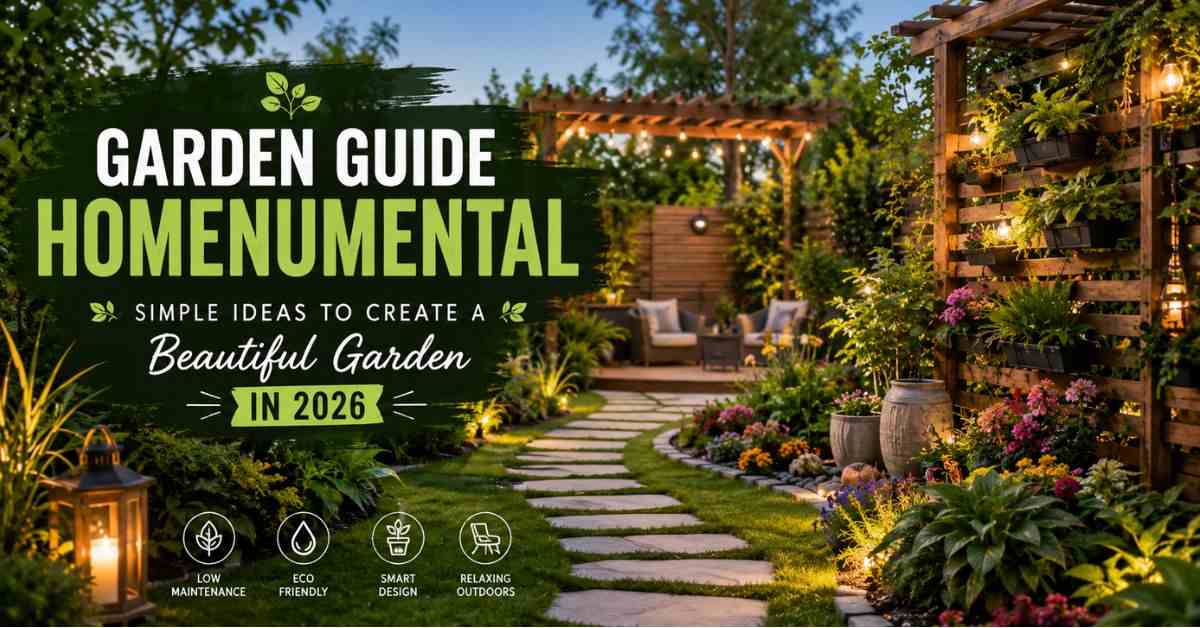
A beautiful garden can completely change the feeling of a home. It gives fresh air, natural beauty, and a peaceful place to relax after a busy day. In 2026, more homeowners are improving their outdoor spaces because modern gardening is now easier, smarter, and more affordable than before. This detailed garden guide homenumental article explains everything beginners and homeowners need to know in simple and easy English.
Today’s gardens are not only about flowers. People now want outdoor spaces that are relaxing, eco-friendly, useful, and easy to maintain. Many families are growing vegetables, herbs, and decorative plants together to create healthier living spaces.
A good garden also increases property value and improves the overall appearance of a home. Even a small balcony or patio can become attractive with the right planning and plant choices.
This guide covers garden layouts, watering methods, beginner plants, seasonal care, soil improvement, outdoor decoration ideas, and smart gardening trends for 2026. Whether you are starting your first garden or upgrading an existing one, these practical tips will help you create a greener and more relaxing outdoor space.
What Is Garden Homenumental?
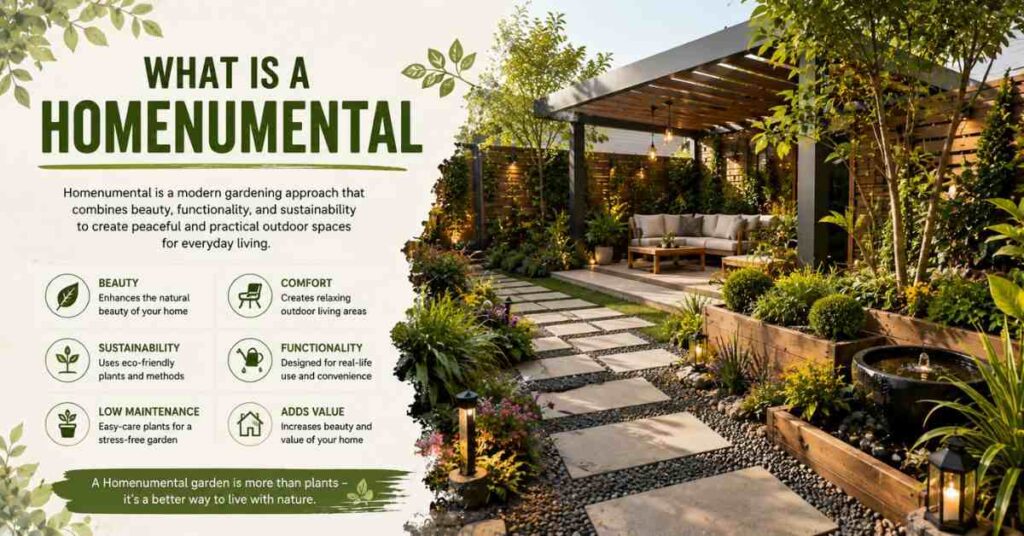
Garden homenumental is a modern gardening concept that combines beauty, comfort, and smart outdoor design to create a peaceful and functional home garden. Instead of focusing only on flowers or decoration, this gardening style helps homeowners build outdoor spaces that feel relaxing, organized, and connected with nature.
The idea behind a garden homenumental is simple. A garden should not only look attractive but also improve daily living. That is why this style often includes seating areas, natural pathways, eco-friendly plants, soft lighting, and low-maintenance landscaping.
In 2026, many homeowners prefer this gardening approach because it balances style and practicality. People want gardens that are easy to maintain while still looking modern and welcoming throughout the year.
A garden homenumental layout may include the following:
- Raised flower beds
- Vertical gardens
- Native plants
- Outdoor seating areas
- Stone or wooden pathways
- Smart watering systems
This gardening trend also supports sustainability by encouraging water-saving methods, composting, and natural plant care.
Whether someone has a large backyard or a small balcony, the garden homenumental concept can help transform outdoor spaces into calm and enjoyable living areas.
Planning the Perfect Garden Layout
Every successful garden starts with a smart plan. Without planning, plants may become overcrowded, unhealthy, or difficult to maintain.
The first step is understanding your available outdoor space. Large backyards allow more planting options, while smaller patios and balconies work better with containers and vertical gardens.
Before planting, check these important factors:
| Factor | Importance |
|---|---|
| Sunlight | Most plants need daily sunlight |
| Drainage | Prevents root damage |
| Soil Quality | Supports healthy growth |
| Wind Exposure | Protects weak plants |
| Space Size | Helps organize planting |
Raised beds are one of the best choices for beginners because they improve drainage and make gardening easier to manage.
Vertical gardening is also popular in 2026 because it saves space and looks modern. Hanging plants, wall planters, and climbing vines work especially well in smaller homes.
A smart garden guide homenumental layout should include walking paths, seating areas, and enough space between plants for airflow and healthy growth.
Simple designs usually work better than overcrowded gardens because they are easier to maintain throughout the year.
Understanding Soil and Compost
Healthy soil is the foundation of every successful garden. Even high-quality plants struggle in poor soil conditions.
Good soil should hold moisture while still allowing airflow and drainage. Soil that stays too wet or becomes too hard can damage roots and slow plant growth.
There are three main soil types:
| Soil Type | Features |
|---|---|
| Sandy Soil | Fast drainage |
| Clay Soil | Holds water longer |
| Loamy Soil | Best balance for gardening |
Compost improves soil naturally by adding nutrients and improving moisture control.
Common compost materials include:
- Dry leaves
- Fruit scraps
- Vegetable peels
- Coffee grounds
- Grass clippings
Avoid adding meat, dairy, or oily foods because they may attract pests.
Modern garden guide homenumental methods strongly focus on organic gardening because homeowners want safer outdoor spaces and healthier plants.
Mulch is another helpful addition. Wood chips, straw, or dry leaves placed around plants help reduce weeds and keep moisture in the soil.
Healthy soil creates stronger roots, healthier flowers, and better vegetable production over time.
Smart Watering Tips for Healthier Plants
Watering mistakes are one of the most common gardening problems. Too much water can harm plants just as much as too little water.
Most plants grow better with deep watering a few times per week instead of light daily watering. Deep watering encourages stronger roots.
Morning is usually the best time to water because temperatures are cooler and less moisture evaporates.
The latest garden guide homenumental trends recommend water-saving systems like drip irrigation and rain barrels. These methods help reduce water waste and lower utility bills.
Helpful watering tips include:
- Water near roots instead of leaves
- Use mulch to keep soil moist
- Avoid watering during hot afternoons
- Check soil moisture before watering again
- Group plants with similar water needs together
Signs of overwatering include yellow leaves, mould, and weak stems.
Signs of underwatering include dry leaves, drooping plants, and cracked soil.
Balanced watering improves plant health and prevents many common garden problems.
Eco-Friendly Gardening Ideas
Eco-friendly gardening is becoming more important because homeowners want safer and healthier outdoor spaces.
Sustainable gardening focuses on reducing waste, saving water, and avoiding harmful chemicals.
A modern garden guide homenumental approach includes the following:
- Composting kitchen waste
- Planting native flowers
- Using organic fertilizers
- Collecting rainwater
- Reducing plastic use
Pollinator gardens are especially popular in 2026 because bees and butterflies help plants produce fruits and vegetables.
Lavender, mint, sunflowers, and wildflowers attract pollinators naturally.
Companion planting is another smart method. Some plants help protect nearby plants from pests. For example, basil planted near tomatoes may help reduce insects.
Eco-friendly gardens are usually easier to maintain over time because natural systems support healthier plant growth.
Real-World Challenge: How I Managed Pests Naturally
One of the biggest problems I faced while gardening was dealing with pests without using strong chemicals. After a few weeks, I noticed small holes in plant leaves, weak stems, and insects hiding under the plants. At first, I thought expensive pesticides were the only solution, but I wanted a safer and more natural method for my garden.
I started by checking the plants every morning to identify the problem early. I removed damaged leaves and cleaned the area around the plants to stop insects from spreading. After that, I used a simple homemade spray made from garlic, water, and a small amount of mild soap. This helped reduce many common insects naturally.
I also planted flowers like marigolds and lavender near vegetables because they naturally help keep some pests away. Adding mulch around the plants improved soil health and reduced moisture problems that often attract insects.
Another helpful step was avoiding overwatering. Wet soil and crowded plants can quickly create pest and fungus problems. By improving airflow and watering only when needed, the plants became healthier and stronger.
Within a few weeks, the garden looked much better. The plants recovered naturally, new leaves started growing, and pest activity became much lower without harmful chemicals.
This experience taught me that regular care, healthy soil, and natural methods are often enough to control common garden pests safely and effectively.
Common Gardening Problems and Solutions
Every gardener faces challenges. The key is solving problems early before they spread.
Common garden problems include weeds, insects, mould, and yellow leaves.
Simple solutions include:
| Problem | Solution |
|---|---|
| Yellow Leaves | Check watering and nutrients |
| Weeds | Add mulch regularly |
| Mold | Improve airflow |
| Insects | Use natural sprays |
Neem oil and garlic spray are popular natural pest-control options.
A smart garden guide homenumental plan also includes regular plant inspections. Checking plants weekly helps identify problems early.
Healthy plants naturally resist diseases better than weak plants.
How to Maintain Your Garden Year-Round
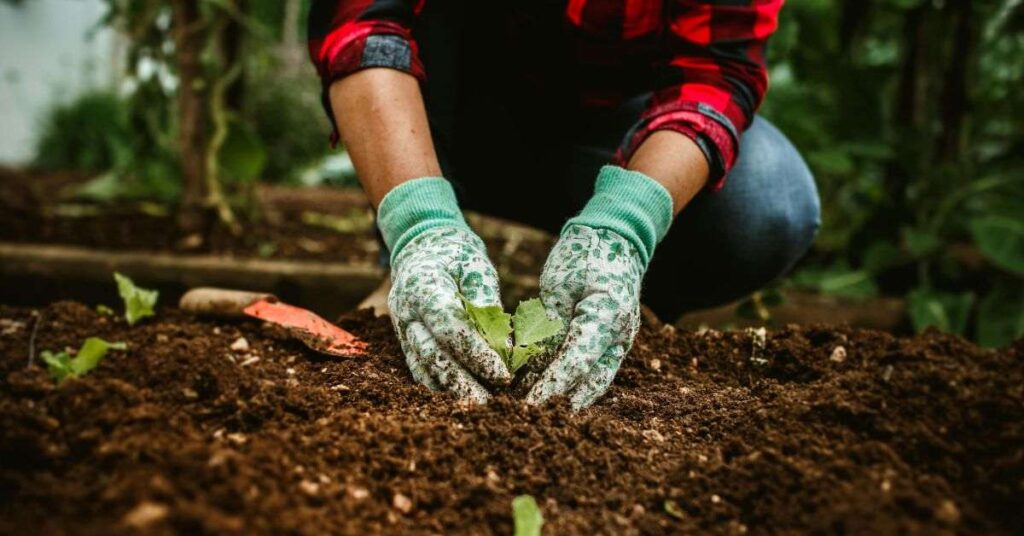
Keeping a garden healthy throughout the year requires regular care and smart seasonal planning. Every season brings different weather conditions, so plants need different types of attention to stay strong and attractive.
During spring, focus on preparing the soil, planting new flowers and vegetables, and removing weeds that grew during winter. This is also the best time to add compost and mulch to improve soil quality.
In summer, watering becomes the most important task. Plants need deep watering during hot weather, especially early in the morning when temperatures are cooler. Trimming dead leaves and checking for pests regularly also helps plants stay healthy.
Fall is the ideal season for garden cleanup. Remove dry plants, clean fallen leaves, and prepare the soil for colder months. Many gardeners also plant bulbs in fall so flowers can bloom beautifully in spring.
Winter maintenance is usually simpler but still important. Protect sensitive plants from frost, reduce watering, and clean gardening tools before storing them. Winter is also a great time to plan future garden improvements.
Here are a few easy year-round gardening tips:
- Water plants based on weather conditions
- Remove weeds regularly
- Add compost every season
- Trim dead or damaged branches
- Check plants weekly for pests or disease
- Keep garden tools clean and organized
Consistent care is the secret to a healthy and beautiful garden. Small maintenance tasks done regularly are much easier than fixing large problems later.
Future Gardening Trends in 2026
Gardening trends continue evolving every year. Technology and sustainability are shaping modern outdoor spaces.
Popular trends include the following:
- Smart watering systems
- Vertical gardens
- Indoor food gardens
- Drought-resistant landscaping
- Organic gardening methods
Another major garden guide homenumental trend is low-maintenance landscaping. Homeowners want beautiful gardens without spending too much time or money on maintenance.
Climate-friendly gardening is also becoming important because many regions now experience hotter summers and water shortages.
The future of gardening will focus more on sustainability, healthy living, and smarter outdoor designs.
Frequently Asked Questions
What is the easiest plant for beginners?
Herbs like basil and mint are very easy to grow and maintain.
How often should I water my garden?
Most gardens need deep watering a few times each week.
Which soil is best for gardening?
Loamy soil is usually the best because it balances drainage and nutrients.
Are native plants better?
Yes. Native plants usually need less water and maintenance.
Can small spaces support gardens?
Yes. Containers and vertical gardens work well in small homes and balconies.
Conclusion
Gardening is one of the best ways to improve outdoor spaces naturally and affordably. A healthy garden provides beauty, relaxation, fresh food, and a peaceful environment for families.
The best results come from simple planning, healthy soil, proper watering, and beginner-friendly plants. You do not need a large budget or advanced skills to create an attractive outdoor area.
Whether you have a backyard, balcony, or small patio, small improvements can make a big difference over time. Start with a few plants, learn basic gardening habits, and gradually expand your outdoor space.
With the right care and smart planning, anyone can create a beautiful and relaxing garden in 2026.